Leading, Managing and Developing People Book Review
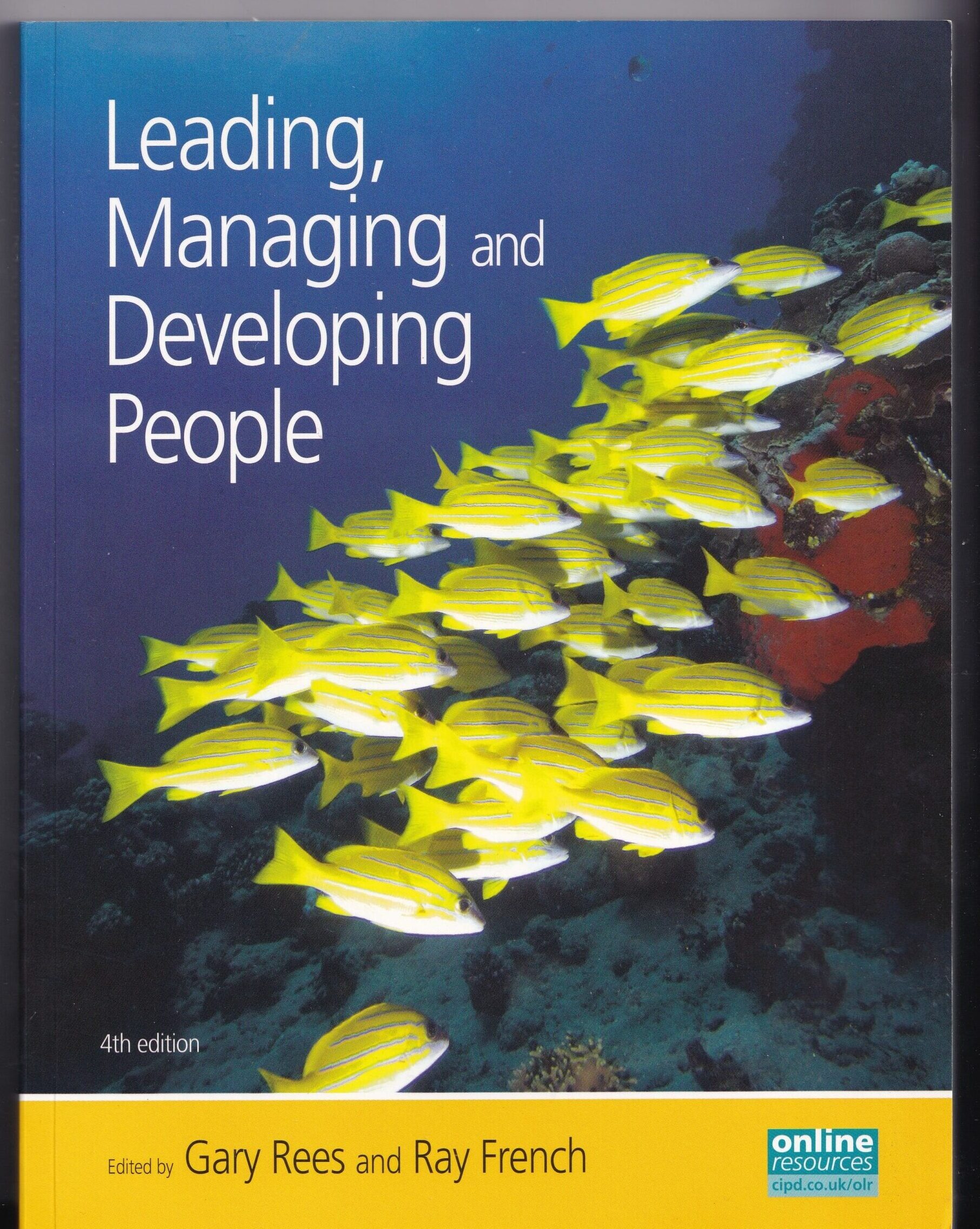
Book Review: Leading, Managing and Developing People by Gary Rees and Ray French
Leading, Managing and Developing People, edited by Gary Rees and Ray French, explores the principles and practices of leadership, human resource management and employee development. Published by the Chartered Institute of Personnel and Development (CIPD), this fourth edition provides an academic foundation for understanding how organisations recruit, manage, motivate and develop their employees. It is particularly relevant to postgraduate students studying HR management, as well as managers and HR professionals looking to deepen their knowledge of the subject.
Leadership and Human Resource Management
The book examines the relationship between leadership, management and human resource management, considering how people-related decisions influence organisational performance. It explores the role of HR professionals and the contribution they make to organisational strategy, while highlighting the importance of aligning employee needs with wider business objectives.
Rather than treating people management as a collection of administrative tasks, the text places it within a broader organisational context. Recruitment, employee relations, motivation and development are presented as interconnected areas that influence how effectively an organisation operates. This perspective helps readers understand the strategic importance of managing people and the challenges involved in balancing business priorities with employee expectations.
Leadership, Change and the Employment Relationship
Leadership is an important theme throughout the book, particularly in relation to organisational change. Effective leaders need to communicate direction, influence others and help employees adapt to changing circumstances. The book encourages readers to consider how different approaches to leadership and management can affect workplace relationships and organisational outcomes.
The discussion of the psychological contract is especially relevant to understanding the modern employment relationship. Beyond their formal contracts, employees and employers have expectations concerning trust, fairness, commitment and opportunities for progression. How these expectations are managed can influence employee engagement and the strength of the relationship between individuals and their organisation.
The fourth edition also considers cross-cultural perspectives, technological developments and social media, broadening the discussion of how people are managed in changing organisational environments. These topics encourage readers to think about the influence of wider social and technological developments on leadership and employment practices.
Employee Development and Performance
Developing employees is central to building an effective workforce. The book considers areas including recruitment and selection, learning and development, performance management, motivation, reward and talent management. Together, these subjects illustrate how organisations can attract suitable people, develop their capabilities and support them in meeting organisational objectives.
For managers, the practical relevance lies in understanding how clear expectations, constructive feedback, appropriate recognition and opportunities for learning can support performance. The text provides a framework for examining these practices and considering how they might be applied in different organisational settings.
Rather than suggesting that one approach will work in every situation, the book encourages readers to consider the circumstances in which particular management practices are used. This is valuable because employee needs, organisational cultures and business priorities vary considerably between workplaces.
Ethics and Professional Responsibility
People management also involves important ethical responsibilities. Decisions about recruitment, promotion, reward and performance assessment can have a lasting impact on employees, making fairness and professional judgement essential. The book considers the wider responsibilities of HR professionals and the relationship between ethical practice, corporate social responsibility and organisational effectiveness.
This emphasis encourages readers to look beyond immediate business results and consider the consequences of management decisions for employees and other stakeholders. It also reinforces the importance of responsible HR practice in developing trust and maintaining constructive employment relationships.
Academic Approach and Practical Value
One of the book’s main strengths is its combination of academic theory and practical workplace examples. Case studies and critical reflection activities encourage readers to evaluate different perspectives and consider how management concepts can be applied to real organisational challenges.
This approach is particularly useful for postgraduate students and developing HR practitioners, who need to understand not only established theories but also how to assess their relevance in different circumstances. The material encourages independent thinking rather than relying on simple formulas for managing people.
However, the book is an academic textbook rather than a quick reference guide offering step-by-step solutions. Some sections require careful reading and engagement with the underlying concepts. In addition, as this edition was published in 2013, readers researching current employment practices, technology or HR policy should supplement it with more recent sources.
Who Should Read This Book?
Leading, Managing and Developing People is particularly suitable for postgraduate students studying human resource management, leadership and organisational behaviour, including those undertaking CIPD-related studies. HR professionals, line managers, team leaders and business students may also find it useful when developing their understanding of employee relations, performance management and organisational change.
Readers new to the subject can use it to build a foundation in people management, while experienced practitioners may benefit from revisiting the theories and debates that inform their professional decisions. Those seeking guidance on current HR legislation and contemporary workplace trends should pair it with up-to-date professional resources.
Verdict
Gary Rees and Ray French’s Leading, Managing and Developing People offers a well-rounded introduction to the academic and practical dimensions of people management. Its coverage of leadership, employee development, performance, organisational change and professional ethics makes it a useful resource for students and practitioners seeking a broader understanding of how people contribute to organisational success.
Its main strength is the encouragement it gives readers to connect theory with practice and think critically about management decisions. Although its age limits its usefulness as a standalone source for current HR developments, the underlying concepts provide a valuable foundation for further study. For readers studying HRM or looking to strengthen their understanding of leadership and employee development, it is a worthwhile academic resource.
Recommended for: CIPD students, HR professionals, managers, team leaders and readers interested in leadership, organisational behaviour and human resource management.
Looking for a copy?
You can check availability of Leading, Managing and Developing People at KO7.com, the online second-hand bookshop.